|
 |
 |

Page One Staff PicksYouth YakBook Groups News Staff PicksYouth YakBook Groups News |
||
|
|
When the Cranes Fly South This book came onto my radar when our friend Jason from Penguin Random House told us about it and then Sally read it and loved it.... This is a quiet book, mostly narrated by Bo, an older man living alone in Sweden with his dog, Sixten. Bo is not a widower, yet, but it feels like it with his wife living in a place that specializes in dementia. There are "carers" (home health aides) that come in and out of Bo's home to help with daily activities, and Bo's son Hans often makes an appearance. The voice of Bo is incredibly compelling, crafted by an author with extraordinary compassion. Bo's thoughts and narration flit between past and present. He has memories - both joyful and painful, regrets, and all the other detritus of a long human life. If you don't want to take my word for it, or Jason's, or Sally's, then take this guy's recommendation:
I listened to this on libro.fm. |
||||||||||||||||||||||||||||||||||||||||||||||||||||||||||||||||||||
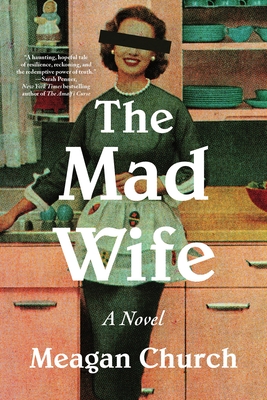 |
The Mad Wife
|
|||||||||||||||||||||||||||||||||||||||||||||||||||||||||||||||||||||
 |
||||||||||||||||||||||||||||||||||||||||||||||||||||||||||||||||||||||
Sally’s review of Sisters in the Wind by Angeline Boulley, a book for young people as well as adults, is in Youth Yak.
|
|
|
In August, the Sister Wolf Book Group discussed this book so we’re rerunning Sally’s review of it. |
|||||||||||||||||||||||||||||||||||||||||||||||||||||||||||||||||||
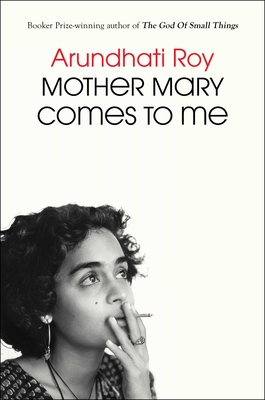 |
Mother Mary Comes to Me It had been a long time since I’d read Arundhati Roy’s novels, The God of Small Things and The Ministry of Upmost Happiness, and I remembered how beautifully they were written—but not much else. When a colleague enthusiastically recommended Roy’s latest book, a memoir called “Mother Mary Comes to Me,” I immediately secured a copy. In it, I found the same beautiful writing as in the novels turned on Roy’s own life, particularly her relationship with her mother, the tempestuous, enigmatic Mary Roy. When Mary Roy died in 1922, her daughter was surprised by the intensity of her feelings of grief and loss. She began writing to process those feelings. Mary Roy was a woman who, by anyone’s standards, should not have been a mother. After having two children, she divorced her husband and made her own way in a patriarchal society that oppressed women socially and economically. She started her own school with sheer grit and sued the government over the law which kept her from receiving a part of her father’s inheritance. (She won.) Her school always came first, and her children were a distant second, if that much. She was abusive and distant. And yet, Arundhati Roy is clear that she became the woman and writer she is because of her relationship with her mother. She also explores other influences on her, in particular the politics of India. Don’t miss this remarkable book! (And be careful or you’ll have the words of Paul McCartney’s song “Let it Be” in your head for several days, as I did!)
|
|||||||||||||||||||||||||||||||||||||||||||||||||||||||||||||||||||||
 |
To the Moon and Back When he was young, my husband dreamed of becoming an astronaut. As he grew older, that dream faded. The closest he got to the space program was to take his students from Oklahoma State University on a field trip to the Johnson Space Center, where they met Owen Garriott, the astronaut from Oklahoma who had been to the Skylab. When Steph’s mother, Hannah, became pregnant with Steph as a teenager, her parents threw her out. She married Steph’s father and had another child, Kayla. When the children were five and two, Hannah escaped her abusive marriage, taking Steph and her sister with her to Tahlequah Oklahoma. The girls grew up thinking their father had died in a car accident, with few memories of him and that time in their lives. Hannah wanted her children to identify as Cherokee, and to learn about the history of their people, but they knew little of their personal history. This secrecy affected their lives as much as Steph’s obsession with becoming an astronaut did.
|
|||||||||||||||||||||||||||||||||||||||||||||||||||||||||||||||||||||
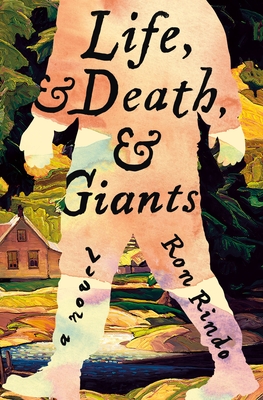 |
Life, and Death, and Giants Can you imagine a novel about a baby who grew to be very nearly a giant, a young Amish woman who kept secrets, a small community where Amish and English (non-Amish) co-existed AND many references to the poems of Emily Dickinson? Somehow, all these elements work in the world author Ron Rindo has created. Nearly all its inhabitants are trying to do their best. Some of them struggle with their faith while others are trying to put the past behind them. The story is told from multiple points of view (none of them the young giant, Gabriel) which creates a rich tapestry of community, and shows the ways Gabriel touched many, many lives. This is one of my favorite books of the year!
|
|||||||||||||||||||||||||||||||||||||||||||||||||||||||||||||||||||||
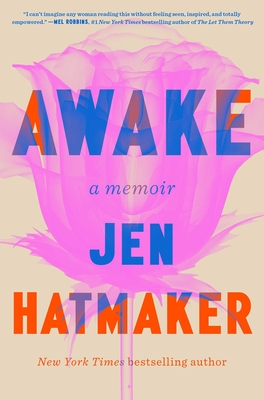 |
Awake When Awake by Jen Hatmaker showed up on my desk, I had only the vaguest idea of who she is. Hmmm, an author, podcast host, and apparently a former evangelical Christian. None of those descriptors engaged me—but the book did. After 26 years of a partnership in the public eye, Hatmaker and her husband divorced. Awake isn’t a tell all or he said, she said book. Instead, it’s a thoughtful account of life after divorce. And funny—oh, my goodness, it’s funny! In part, it’s a reckoning with the evangelical church and also how one woman reclaimed herself and her life. It's not a book for everyone, but Hatmaker fans and women who are asking themselves, “Is that all there is?” will surely be delighted.
|
|||||||||||||||||||||||||||||||||||||||||||||||||||||||||||||||||||||
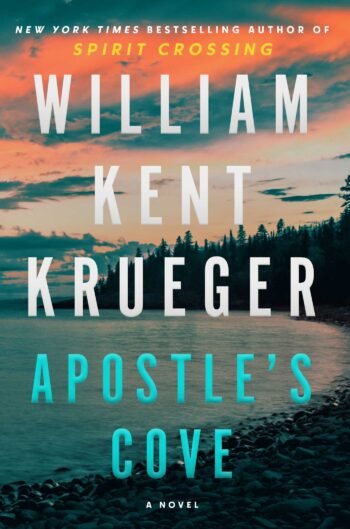 |
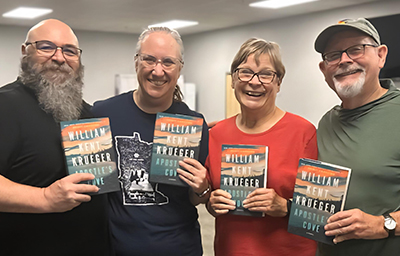
Apostles Cove A highlight of the year at the store is a new book by William Kent Krueger and the good fortune we have to be one of the first stops on his book tour. (Krueger is a champion for independent bookstores, and we love him for his support.) |
|||||||||||||||||||||||||||||||||||||||||||||||||||||||||||||||||||||
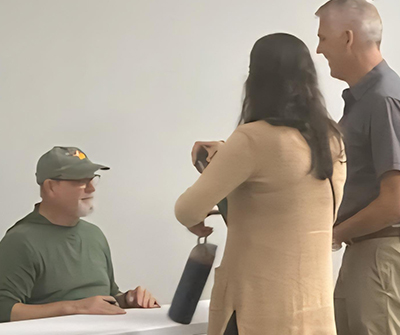
At a signing, Kent takes time to chat with each person |
||||||||||||||||||||||||||||||||||||||||||||||||||||||||||||||||||||||
L to R: Tom, Jen, Diane (Kent’s wife), William Kent Krueger |
||||||||||||||||||||||||||||||||||||||||||||||||||||||||||||||||||||||
Apostle’s Cove begins with a present-day Cork ruminating on his advancing age (which gave me a laugh, since he’s several years younger than I am!) He takes a phone call from his son Stephen, who works for “a nonprofit dedicated to securing freedom for unjustly incarcerated inmates.” Stephen tells his dad that it appears Cork was responsible for the imprisonment of an Ojibwe man, for a murder he didn’t commit. Cork remembers the case well—it was the first big crime after his election as sheriff. The story moves between present day and 25 years earlier. As well as re-investigating a murder, we see the characters we have grown to love. Krueger writes beautifully, and his stories are always illuminated by the generosity he has for the characters. Get this latest book and set time aside to read it. You’ll be glad you did. |
||||||||||||||||||||||||||||||||||||||||||||||||||||||||||||||||||||||
 Cascade |
We don’t have book reviews from Cascade, our long-time staffer who is beginning grad school this month, but we do have this update on her adventures. (And we can’t even miss her too much when we see the grin on her face as she headed into her future!)
|
|||||||||||||||||||||||||||||||||||||||||||||||||||||||||||||||||||||
|
|
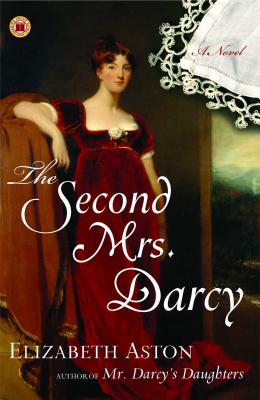
This is a bit of a bait and switch. I was compelled to pick it up because who could possibly follow Lizzy as Darcy’s wife?! But it turns out the Mr. Darcy here is a cousin to Fitzwilliam. Oh well, it’s a fun read. The author studied with an Austen biographer at Oxford, so this novel is full of accurate details and flights of delightful fancy about how things might have been for the characters we cherish. I was pleased to learn that Mr. Bennet was widowed and found peace in his home… for many years, cheating Bishop Collins out of Longbourn. Barchester people, from Anthony Trollop’s world, also crop up in this book, and I imagine there are other references I didn’t pick up. In the first part of this book Mrs. Darcy is living in India, so we get a glimpse into the English POV in India during the empire. But then she goes to Regency London, and even visits Netherfield Hall. The characters, the romance, and the tone are quite appropriate and enjoyable. |
||||||||||||||||||||||||||||||||||||||||||||||||||||||||||||||||||||
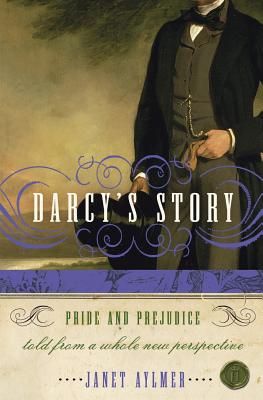 |
Darcy’s Story It’s amazing how many books there are purporting to tell us about Pride and Prejudice from different points of view or postulating about the characters’ lives after Austen’s novel ends. While these aren’t great moments in literature, they offer a chance to revisit one of our favorites in a new way, enjoying with the authors a fresh perspective. Darcy’s Story is a fine example of “fan fiction.” Aylmer keeps the story faithful to Pride and Prejudice, using much of the dialog and never straying from what might have been going on away from Lizzy’s presence. It’s particularly engaging because Darcy is such a strong character, one many of us fell in love with in our youth. How can any real life man compete? How cool, getting into his head this way. Sigh… |
|||||||||||||||||||||||||||||||||||||||||||||||||||||||||||||||||||||
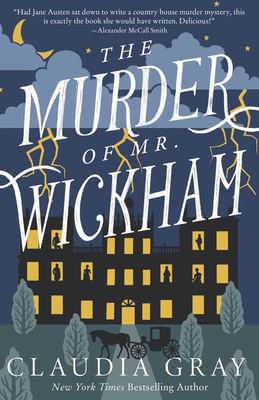 |
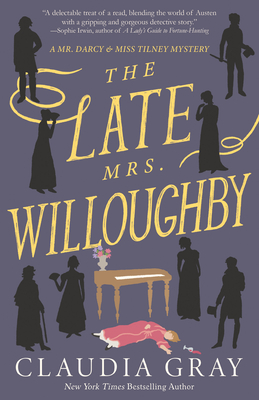
The Murder of Mr. Wickham And then there’s this delicious premise: Mr. and Mrs. Knighly are hosting a house party at Donwell Abbey. The guests include couples from each of Austen’s novels, with ages appropriate to when the novels were written. There’s one uninvited character: Mr. Wickham shows up and, due to the weather, cannot be expelled immediately. It turns out that almost all of the people in the party have motives for murdering him. One of them does. But which one? Darcy’s son Jonathon and Juliet Tilney, who came without her parents, decide to figure it out. They are concerned that the magistrate, Frank Churchill, might be too ready to seize on an innocent person from outside the group. Of all these novels that play with Austen lore, you might find this one is the most fun. It's the first in a series: here's the second. A fourth came out in 2025. |
|||||||||||||||||||||||||||||||||||||||||||||||||||||||||||||||||||||
|
||||||||||||||||||||||||||||||||||||||||||||||||||||||||||||||||||||||
|
Would you like to be a guest reviewer? Email Sally at sally@beagleandwolf.com. |
||||||||||||||||||||||||||||||||||||||||||||||||||||||||||||||||||||||
— page top — |
||||||||||||||||||||||||||||||||||||||||||||||||||||||||||||||||||||||


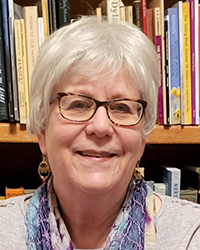
 ). I attached a photo of myself before leaving PR with the moving trailer. Hope you all are doing well!



 BeagleAndWolf.com
 |
About UsBook GroupsEventsBinderyNewsletterPlace an OrderLife in Community How to Find Us Contact UsLinksHome |
|